
Aircraft Carbon Brake: Revolutionizing Aviation Safety & Efficiency
Discover how Aircraft Carbon Brakes revolutionize aviation with enhanced safety, weight savings, and efficiency. Explore technology, market trends, and futur...

Introduction
When it comes to aviation safety and performance, every component on an aircraft plays a critical role. Among these, the Aircraft Carbon Brake stands out as a game-changer, offering superior stopping power, durability, and weight reduction compared to traditional braking systems.
In this article, we will explore the technology behind aircraft carbon brakes, delve into their real-world applications, analyze market trends, discuss their benefits, and examine the challenges and future outlook for this pivotal aviation component.
Technology Overview: Understanding Aircraft Carbon Brakes
The Aircraft Carbon Brake is a braking system that utilizes carbon composite materials, primarily carbon-carbon composites, to provide high-performance stopping power for commercial and military aircraft. Unlike traditional steel brakes, carbon brakes are composed of carbon fiber reinforced carbon matrix, making them significantly lighter and more heat-resistant.
Key terms to understand include:
- Carbon-Carbon Composite: A material made from carbon fibers embedded in a carbon matrix, known for exceptional thermal and mechanical properties.
- Heat Dissipation: The ability of the brake to absorb and disperse heat generated during landing and taxiing.
- Brake Fade: A reduction in braking effectiveness due to overheating.
Carbon brakes operate by converting kinetic energy into heat during deceleration. Their high thermal tolerance means they resist brake fade, maintaining consistent performance even under intense use.
Industry Applications & Use Cases
The adoption of Aircraft Carbon Brakes is widespread across multiple aviation sectors, driven by their advantages in reducing aircraft weight and improving safety.
- Commercial Aviation: Major airlines such as British Airways and Lufthansa have integrated carbon brakes into wide-body aircraft like the Boeing 777 and Airbus A350, improving fuel efficiency due to weight reduction.
- Military Aircraft: Fighter jets and transport aircraft rely on carbon brakes for rapid deceleration during high-speed landings and short runway operations.
- Business Jets: Enhanced braking performance provides safety margins necessary for smaller runways and urban airports.
A notable success story is United Airlines’ retrofit of carbon brakes on its Boeing 787 fleet, which resulted in a 20% reduction in brake wear and lower maintenance downtime.
Market Trends & Growth Drivers
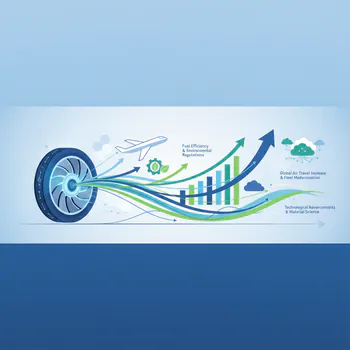
The global Aircraft Carbon Brake market is witnessing robust growth, driven by increasing air travel demand, a focus on fuel efficiency, and stringent safety regulations.
According to industry reports, the market size is projected to reach over $2 billion by 2028, growing at a CAGR of approximately 6.5% from 2023 to 2028.
Key growth drivers include:
- Rising Demand for Lightweight Materials: Airlines seek to reduce aircraft weight to cut fuel consumption and emissions.
- Technological Innovations: Advances in carbon composite manufacturing have lowered costs and improved brake lifespan.
- Regulatory Mandates: Aviation authorities increasingly require higher safety and performance standards in braking systems.
Further opportunities arise from the expanding fleet of next-generation aircraft that integrate carbon brakes as standard equipment.
Market Trends & Growth Drivers
Benefits & Advantages of Aircraft Carbon Brakes
The adoption of Aircraft Carbon Brakes offers several compelling benefits for airlines, manufacturers, and passengers alike:
- Weight Reduction: Carbon brakes weigh up to 50% less than steel alternatives, leading to lower fuel consumption and operating costs.
- Enhanced Thermal Performance: Superior heat resistance reduces brake fade, ensuring consistent and reliable stopping power.
- Longer Service Life: Carbon brakes endure more braking cycles before replacement, decreasing maintenance frequency and downtime.
- Environmental Impact: Lower weight contributes to reduced emissions, aligning with global sustainability goals.
- Improved Safety: Consistent braking performance under various conditions enhances overall aircraft safety margins.
From a return on investment (ROI) perspective, airlines benefit not only from operational savings but also from improved aircraft availability and lifecycle cost efficiencies.
Challenges & Future Outlook
Despite their advantages, Aircraft Carbon Brakes face certain challenges:
- High Initial Cost: Carbon brakes are more expensive upfront compared to traditional steel brakes, which can be a barrier for some operators.
- Manufacturing Complexity: The production process of carbon composites is intricate and requires specialized facilities.
- Environmental Sensitivity: Carbon brakes can be sensitive to moisture and require proper handling and storage conditions.
However, ongoing research into new composite materials and manufacturing techniques is aimed at reducing costs and improving durability. Innovations like nanomaterial enhancements and additive manufacturing are promising avenues.
Looking ahead, the future of Aircraft Carbon Brakes is bright. As airlines prioritize sustainability and efficiency, the demand for lightweight, high-performance braking systems will accelerate. We can expect wider adoption across regional and cargo aircraft, along with integration into unmanned aerial vehicles (UAVs) and urban air mobility platforms.
Conclusion
The Aircraft Carbon Brake is a pivotal technology transforming the aviation industry by enhancing safety, reducing weight, and improving operational efficiency. From commercial jets to military aircraft, the benefits of carbon brakes are driving their rapid adoption worldwide.
While challenges remain, advances in material science and manufacturing promise to make these systems more accessible and durable. For airlines and manufacturers, investing in carbon brake technology translates to significant long-term savings and environmental benefits.
As we move toward a more sustainable and efficient future in aviation, the aircraft carbon brake will undoubtedly play a crucial role in shaping the skies of tomorrow.
Need More Details on Market Players and Competitors?