
Connected Car Security Solutions: Protecting the Future of Mobility
Explore how connected car security solutions protect modern vehicles from cyber threats. Learn about technologies, market trends, benefits, and future outlook.

Introduction
As vehicles become increasingly connected through advanced technologies, the need for robust security measures has never been more critical. Connected car security solutions are at the forefront of protecting both drivers and automotive systems from emerging cyber threats. With cars now equipped with internet connectivity, GPS, and vehicle-to-everything (V2X) communication, ensuring the integrity and safety of these systems is essential.
In this article, we will explore the core concepts behind connected car security solutions, examine real-world applications, analyze market trends, discuss the benefits these solutions bring, and look ahead at future challenges and innovations in this evolving field.
Technology and Concept Overview
Connected car security solutions refer to the comprehensive set of technologies and protocols designed to protect connected vehicles from cyberattacks, unauthorized access, and data breaches. This involves securing the vehicle’s internal networks, telematics systems, and communication interfaces.
Key terms to understand include:
- Telematics Control Unit (TCU): The hardware component that manages wireless communication and data exchange between the car and external networks.
- Vehicle-to-Everything (V2X) Communication: Technology enabling vehicles to communicate with other vehicles, infrastructure, and even pedestrians to enhance safety and traffic efficiency.
- Over-the-Air (OTA) Updates: Remote software updates that improve vehicle software without visiting a service center, crucial for patching vulnerabilities.
- Intrusion Detection Systems (IDS): Security mechanisms that monitor vehicle networks for malicious activities or anomalous behavior.
Understanding these components is essential to grasp how security solutions safeguard vehicles in an increasingly digital ecosystem.
Industry Applications & Use Cases
Connected car security solutions are widely adopted across various sectors in the automotive industry. For example, major automakers like Tesla and BMW have integrated advanced cybersecurity protocols within their vehicles to prevent hacking attempts on autonomous driving features and infotainment systems.
One notable case is the implementation of layered security by Ford in its Mustang Mach-E, which employs encrypted communication channels and real-time monitoring to fend off cyber threats. Similarly, in commercial fleets, companies utilize connected car security to protect sensitive data and ensure vehicle uptime by detecting intrusions early.
Beyond passenger vehicles, connected car security is critical in public transportation and logistics, where attacks could disrupt operations or compromise passenger safety. Security solutions enable secure OTA updates, protect vehicle-to-infrastructure communications, and maintain data privacy – all vital for modern mobility.
Market Trends & Growth Drivers
The global market for connected car security solutions is experiencing rapid growth, driven by increasing vehicle connectivity and rising cyber threats. According to market analysis, the connected car cybersecurity market is projected to grow at a CAGR of over 15% through 2030.
Several factors contribute to this expansion:
- Proliferation of IoT technologies: As cars become part of the Internet of Things, securing the data exchange and device integrity becomes paramount.
- Regulatory pressures: Governments worldwide are introducing stricter cybersecurity regulations for automotive manufacturers, pushing adoption of robust security solutions.
- Consumer awareness: Growing awareness of cyber risks among drivers is increasing demand for secure connected car features.
- Advancements in AI and machine learning: These technologies enhance anomaly detection and predictive security capabilities.
Consequently, automotive OEMs, cybersecurity firms, and technology providers are collaborating to develop innovative solutions that address emerging vulnerabilities.
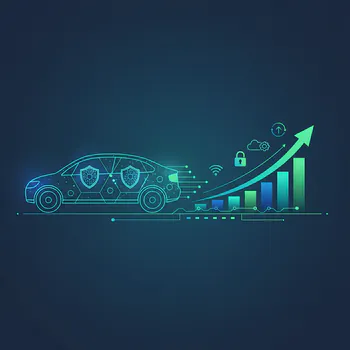
Market Trends & Growth Drivers
Benefits & Advantages
Implementing connected car security solutions offers numerous advantages for both manufacturers and end-users. Key benefits include:
- Enhanced safety: Protecting critical vehicle systems from cyberattacks reduces the risk of accidents caused by malicious interference.
- Data privacy: Secure communication protocols safeguard user data, fostering trust in connected car technologies.
- Cost savings: Early detection of vulnerabilities and OTA patching minimize expensive recalls and downtime.
- Competitive differentiation: Brands that prioritize cybersecurity stand out in a crowded marketplace, appealing to security-conscious consumers.
- Regulatory compliance: Meeting cybersecurity standards avoids legal penalties and reputational damage.
Moreover, these solutions contribute to a resilient automotive ecosystem that supports future mobility innovations.
Challenges & Future Outlook
Despite significant advancements, connected car security faces ongoing challenges. One major hurdle is the complexity of vehicle networks, which integrate multiple components from different suppliers, making consistent security enforcement difficult.
Additionally, the rapid evolution of cyber threats demands continuous updates and adaptive security architectures. Ensuring that OTA updates themselves are secure remains a critical concern.
Looking ahead, innovations such as blockchain for secure data exchange, AI-powered threat intelligence, and hardware-based security modules are poised to enhance protection measures. Industry collaborations, such as the Automotive Information Sharing and Analysis Center (Auto-ISAC), are also fostering collective defense strategies.
Overall, the future of connected car security solutions lies in proactive, multi-layered approaches that adapt to emerging risks while supporting the seamless connectivity that defines modern vehicles.
Conclusion
In summary, connected car security solutions are indispensable in safeguarding today’s increasingly digital and interconnected vehicles. By understanding the core technologies, recognizing real-world applications, and staying informed about market trends, stakeholders can better navigate the evolving cybersecurity landscape.
Automakers and service providers must prioritize security to protect users, comply with regulations, and maintain competitive advantage. As the industry advances, continuous innovation and collaboration will be key to overcoming challenges and ensuring that connected vehicles remain safe, reliable, and trusted.
Embracing robust connected car security solutions today is vital for driving the future of mobility forward with confidence.
Need More Details on Market Players and Competitors?