
Dental Curing Lamp: Transforming Modern Dentistry with Light Technology
Discover how Dental Curing Lamps revolutionize dentistry with fast, efficient light-curing technology. Explore applications, market trends, benefits, and fut...

Introduction
In the ever-evolving landscape of dental technology, the Dental Curing Lamp stands out as a pivotal instrument revolutionizing restorative dental procedures. This compact yet powerful device uses light to harden dental materials quickly and effectively, making treatments faster and more durable.
Understanding the significance of a dental curing lamp not only highlights its role in modern dentistry but also underscores how advancements in light technology are shaping patient care. In this article, we will explore the core concepts behind dental curing lamps, their practical applications, market trends, benefits, as well as challenges and future prospects.
Technology Overview: What is a Dental Curing Lamp?
A Dental Curing Lamp is a specialized light source used primarily to polymerize (harden) light-sensitive resin-based composites during dental restorative procedures. These lamps emit a specific wavelength of light that triggers a chemical reaction in the resin, transforming it from a pliable state into a solid, durable restoration.
Key terms and technology involved include:
- Photopolymerization: The chemical process activated by light that hardens resin materials.
- Light-emitting diode (LED): The most common light source in modern curing lamps, valued for efficiency and longevity.
- Wavelength: Typically around 400–500 nanometers, targeting photoinitiators like camphorquinone in dental composites.
- Intensity and Exposure Time: Critical parameters that influence the curing quality and strength of the composite.
Historically, halogen lamps were used, but LED technology has largely replaced them due to improved energy efficiency, consistent output, and reduced heat generation.
Industry Applications & Use Cases
The Dental Curing Lamp is indispensable in a variety of dental treatments. Its primary application is in restorative dentistry, where it cures composite fillings, sealants, adhesives, and orthodontic brackets.
Real-world examples include:
- Composite Fillings: Dentists use curing lamps to harden tooth-colored composites quickly, enabling same-visit restorations that mimic natural teeth.
- Sealants: Preventive dentistry leverages curing lamps to solidify sealants on children’s molars, effectively reducing the risk of cavities.
- Orthodontics: Brackets and bonding agents require precise curing to ensure treatment stability and patient comfort.
- Veneers and Inlays: These cosmetic procedures depend on curing lamps to secure and strengthen subtle dental enhancements.
One notable case study from a leading dental clinic demonstrated that switching to high-intensity LED curing lamps reduced patient chair time by 20%, improving workflow and enhancing patient satisfaction.
Market Trends & Growth Drivers
The global dental curing lamps market is witnessing robust growth, driven by rising demand for aesthetic dental procedures and increasing awareness about oral health. According to a recent market report, the dental curing lamp sector is expected to grow at a compound annual growth rate (CAGR) of around 7% from 2023 to 2030.
Growth factors include:
- Technological Advancements: Innovations such as cordless models, multi-wavelength lamps, and improved LED arrays are enhancing device versatility.
- Rising Cosmetic Dentistry: The growing preference for tooth-colored restorations over amalgam is propelling demand.
- Increased Dental Procedures: Expanding access to dental care globally leads to higher usage of curing lamps.
- Regulatory Support: Safety standards and certifications improve market credibility and adoption.
Moreover, integration with digital dentistry and smart device connectivity is emerging as a new trend, providing dentists with better control and monitoring capabilities.
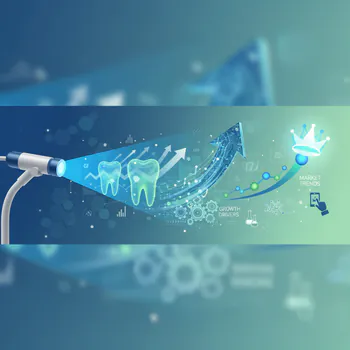
Market Trends & Growth Drivers
Benefits & Advantages of Dental Curing Lamps
The adoption of Dental Curing Lamps offers numerous benefits to dental professionals and patients alike:
- Fast and Efficient Curing: Enables rapid hardening of composites, reducing treatment time.
- Enhanced Restoration Quality: Ensures uniform polymerization, leading to stronger, longer-lasting fillings.
- Improved Patient Comfort: Minimizes chair time and discomfort during procedures.
- Portability and Ease of Use: Modern cordless lamps provide maneuverability and flexibility in various clinical settings.
- Cost-effectiveness: Durable LED bulbs reduce maintenance costs compared to traditional halogen lamps.
From a business perspective, these advantages translate into competitive differentiation and a higher return on investment (ROI) by attracting patients seeking quality and efficient dental care.
Challenges & Future Outlook
Despite their widespread use, dental curing lamps face several challenges. One primary concern is ensuring adequate curing depth and uniformity, especially with thicker composite layers. Improper curing can lead to restoration failures or sensitivity.
Additional challenges include:
- Device Heat Generation: Excess heat during curing can cause discomfort or damage to dental pulp.
- Battery Life Limitations: Cordless lamps depend heavily on battery performance, impacting clinical workflow if not managed properly.
- Cost of Advanced Models: Cutting-edge curing lamps with multi-wavelength capabilities and smart features may pose affordability issues for smaller practices.
Addressing these challenges, ongoing research focuses on:
- Developing adaptive curing protocols using AI to optimize exposure time and intensity.
- Incorporating cooling systems to reduce heat impact.
- Enhancing battery technology for longer, uninterrupted use.
Looking ahead, the Dental Curing Lamp market is expected to embrace further digital integration, such as IoT-enabled devices that offer real-time curing analytics and compatibility with dental CAD/CAM systems. This evolution will not only improve clinical outcomes but also streamline operational efficiency.
Conclusion
The Dental Curing Lamp has undeniably transformed dental restorative practices by providing a quick, reliable method to harden composite materials and improve treatment outcomes. Its blend of technological precision and clinical practicality makes it an indispensable tool in modern dentistry.
As the market continues to grow and innovate, dental professionals can leverage these advancements to deliver superior patient care, optimize workflows, and stay competitive. By understanding the technology, applications, and future trends surrounding dental curing lamps, practitioners and stakeholders are well-positioned to maximize the benefits this powerful device offers.
Embracing the ongoing innovations in dental curing lamp technology promises a brighter, more efficient future for dentistry worldwide.
Need More Details on Market Players and Competitors?