
Youth Bike Helmet Guide: Safety, Trends, and Benefits Explained
Discover everything about youth bike helmets—from safety features and market trends to benefits and future innovations. Keep your child safe on every ride.

Introduction
As cycling becomes an increasingly popular activity among children, ensuring their safety on the road is more important than ever. A youth bike helmet is a critical piece of gear designed specifically to protect young riders from head injuries during falls or collisions.
In this comprehensive guide, we’ll explore the core concepts behind youth bike helmets, their real-world applications, current market trends, and the benefits they offer. Whether you're a parent, educator, or cycling enthusiast, this article will provide valuable insights into why investing in the right helmet is essential for your child’s safety and confidence.
Technology and Concept Overview of Youth Bike Helmets
The primary function of a youth bike helmet is to absorb impact energy and reduce the risk of traumatic brain injuries in the event of an accident. These helmets are specifically designed to fit smaller head sizes and often come with additional safety features tailored for children.
Key terms to understand include:
- EPS Foam (Expanded Polystyrene): The inner lining that absorbs shock during impacts.
- Hard Outer Shell: Usually made from polycarbonate or ABS plastic, it protects against penetration and distributes impact force.
- MIPS Technology (Multi-directional Impact Protection System): An advanced slip-plane system inside some helmets that reduces rotational forces during angled impacts.
- Adjustable Fit Systems: To accommodate growing children and ensure a snug, comfortable fit.
Manufacturers also focus on lightweight designs and ventilation to keep young riders comfortable, which encourages consistent helmet use.
Industry Applications & Use Cases
The use of youth bike helmets extends beyond casual cycling. They are essential across various sectors and activities:
- School Cycling Programs: Many schools incorporate cycling lessons that require helmets as mandatory safety equipment.
- Recreational Biking: Parents outfitting children for weekend rides insist on helmets that provide excellent protection without sacrificing comfort.
- Competitive Sports: Youth mountain biking and BMX racing demand helmets with advanced safety certifications and features like MIPS.
- Community Safety Campaigns: Organizations such as Safe Kids Worldwide promote helmet use through education and distribution programs, increasing adoption rates.
One notable case study comes from a local municipality in Oregon, where a helmet giveaway program combined with educational workshops led to a 30% reduction in reported head injuries among child cyclists within two years.
Market Trends & Growth Drivers
The global youth bike helmet market has experienced steady growth, driven by rising awareness about child safety and increasing participation in cycling sports. According to a 2023 market report by Grand View Research, the youth bike helmet segment is projected to grow at a CAGR of approximately 5.8% through 2030.
Several factors are fueling this expansion:
- Enhanced Safety Regulations: Many countries have introduced or tightened laws mandating helmet use for children, boosting demand.
- Innovations in Helmet Technology: Features such as MIPS, improved ventilation, and lightweight materials attract health-conscious and tech-savvy parents.
- Growing Urban Cycling Culture: With cities investing in bike lanes and infrastructure, more families encourage cycling as a sustainable transportation mode.
- Customizable Designs: Trendy and colorful helmets with popular characters or themes appeal directly to children, increasing usage rates.
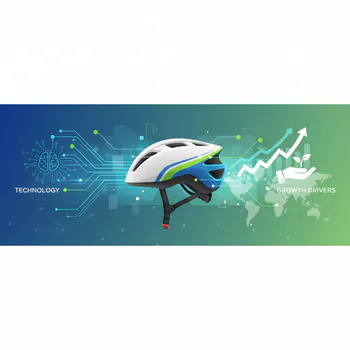
Market Trends & Growth Drivers
Benefits & Advantages of Youth Bike Helmets
Choosing the right youth bike helmet offers numerous advantages for both children and their caregivers:
- Superior Head Protection: Helmets drastically reduce the risk and severity of head injuries. Studies show that helmets cut head injury risk by up to 85%.
- Comfort and Fit: Children are more likely to wear a helmet that feels comfortable and fits properly, enhancing safety compliance.
- Visibility: Many helmets feature reflective elements or bright colors, enhancing visibility to motorists.
- Long-Term Health Benefits: Preventing traumatic brain injury at a young age has lifelong positive impacts on cognitive and physical well-being.
- Economic Value: Investing in a high-quality helmet can save families from costly medical bills and lost income related to accidents.
In addition, certain models come with extended warranties and impact replacement guarantees, adding further value.
Challenges & Future Outlook
Despite the clear benefits, challenges remain in maximizing youth bike helmet adoption and effectiveness:
- Helmet Fit and Comfort: Improper fit remains a major issue, sometimes leading children to avoid wearing helmets altogether.
- Affordability: High-quality helmets with advanced features can be expensive, limiting access for lower-income families.
- Behavioral Barriers: Peer pressure and aesthetics influence whether children consistently wear helmets.
To address these challenges, innovative solutions are emerging:
- Smart Helmets: Integration of sensors to detect impacts and alert parents or emergency services.
- Adjustable Growth Helmets: Designs that expand as children grow, extending usability and value.
- Subsidy Programs: Increased government and NGO funding to provide helmets to underserved communities.
Looking ahead, the youth bike helmet market is poised to embrace greater personalization, sustainability through eco-friendly materials, and connectivity features, further enhancing both safety and user experience.
Conclusion
In summary, the youth bike helmet stands as a vital safeguard for young cyclists, combining advanced materials and thoughtful design to protect against head injuries. With growing market momentum driven by technological advancements and regulatory support, helmets are becoming more accessible and appealing to children.
Parents and caregivers should prioritize selecting helmets that offer a proper fit, certified safety standards, and features that encourage consistent use. By doing so, they not only enhance the safety of young riders but also foster a lifelong culture of responsible cycling.
As the industry continues to innovate and awareness expands, the future of youth bike helmets looks promising—where every child can enjoy cycling with confidence and protection.
Need More Details on Market Players and Competitors?